Glass wool
Glass wool traps air for thermal insulation.

Glass wool is an insulating material made from glass fiber arranged using a binder into a texture similar to wool. The process traps many small pockets of air between the glass, and these small air pockets result in high thermal insulation properties. Glass wool is produced in rolls or slabs, with different thermal and mechanical properties, and may also be produced as a material that can be sprayed or applied in place.
- field
- Thermal insulation materials
- known_for
- High thermal insulation properties achieved by trapping air in small cells
- inventor
- Games Slayter
- inventor_employer
- Owens-Illinois Glass Co. (Toledo, Ohio)
Lore & Background
The modern method for producing glass wool was invented by Games Slayter while he was working at the Owens-Illinois Glass Co. (Toledo, Ohio).
Reader's Guide
Glass wool functions by trapping air in small cells, exploiting the poor thermal conduction of gases and disrupting natural convection. This principle is shared with other man-made insulators such as rock wool, Styrofoam, and neoprene foam, as well as natural materials like down feathers and wool. Glass wool is used as loose-fill material, sprayed on structures, or in sheets and panels for insulating flat surfaces, cavity walls, ceiling tiles, curtain walls, ducting, piping, and soundproofing. Health concerns include irritation of eyes, skin, and respiratory system, with potential symptoms similar to asbestosis. However, regulatory bodies such as the U.S. Glass wool itself is resistant to mold, though binders may support mold growth under very high humidity or saturation.
Did You Know?
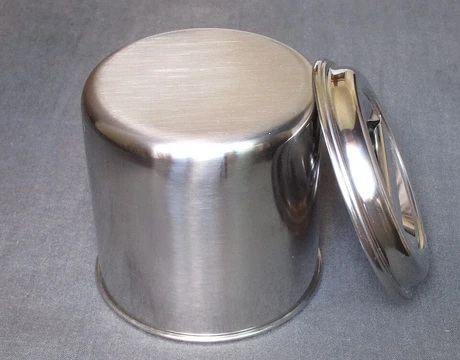
- Glass wool is produced by forcing molten glass through a rapidly spinning metal cup, similar to making cotton candy.
- Glass wool is highly resistant to mold growth; only exceptional circumstances like 96% relative humidity or saturation result in mold.
Frequently Asked Questions
Who is Glass wool?
Glass wool is a thermal insulation material made of fine glass fibers bound together into a soft, wool-like texture. It comes in rolls, slabs, or spray-applied forms for use in buildings and industrial equipment.
What are Glass wool's powers or role?
Its signature ability is trapping countless microscopic air pockets between glass fibers, which dramatically slows heat transfer. This makes it a go-to choice for keeping buildings warm in winter and cool in summer.
How does Glass wool's story end?
Glass wool's narrative is still ongoing—it remains a widely manufactured and installed insulation product in residential, commercial, and industrial settings today. Its long service life in walls, attics, ducts, and machinery ensures the story keeps going.
Why is Glass wool important?
It brought high-performance, affordable thermal insulation to mainstream construction by turning glass into a practical air-trapping fiber. Its lasting contribution to building energy efficiency cements its place as a cornerstone of modern materials.
More in Materials 1-22
Spotted an error? Know more?
This is a living reference — every entry is fact-audited, and reader corrections feed straight into our audit queue. Suggest an edit · See this site's audit record